Introduction to Cloud Computing and Its Environmental Impact
Cloud computing has revolutionized the way businesses and individuals store, manage, and process data. By allowing users to access computing resources over the internet, cloud services have significantly improved operational efficiency, flexibility, and scalability. As organizations increasingly adopt cloud solutions, they benefit from cost savings, enhanced collaboration, and improved disaster recovery options. Various industries, including finance, healthcare, and education, have incorporated cloud computing into their operations, demonstrating its widespread appeal and practicality.
However, the rapid expansion of cloud services comes with a notable environmental impact, particularly concerning energy consumption and carbon emissions. Data centers, the backbone of cloud computing, require vast amounts of energy to maintain their operations. These facilities house numerous servers that continuously run, store, and process data, generating substantial heat that necessitates extensive cooling measures. Consequently, the energy demand of data centers has surged, contributing significantly to greenhouse gas emissions and raising concerns about their overall ecological footprint.
Understanding Data Centers: The Backbone of Cloud Services
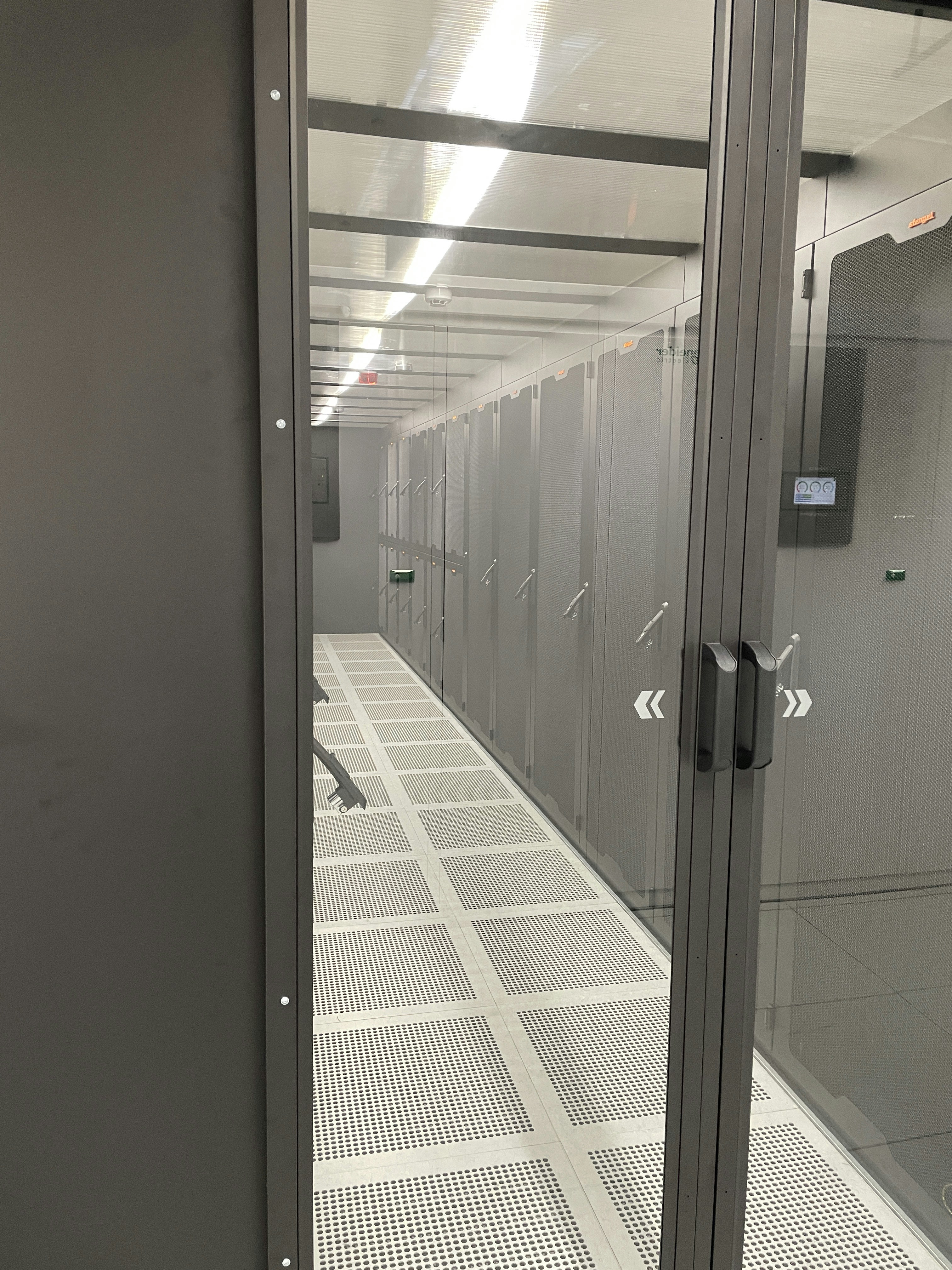
Data centers are essential facilities that house computing resources and networking components crucial for delivering cloud services to individuals and organizations. At their core, these centers are designed to store, process, and manage data, functioning as the backbone of the cloud ecosystem. Within a data center, servers, storage systems, and networking equipment work together seamlessly to support a vast array of applications, services, and data transfers that happen in real time.
The infrastructure of a data center typically includes a combination of physical hardware, such as servers and networking devices, along with the necessary software for operation and management. In addition to the hardware, data centers also depend on reliable power supplies, cooling systems, and robust security measures to maintain the integrity and availability of the services they provide. The scale of data centers can vary widely, from small facilities that support localized applications to large-scale operations that serve global needs, housing thousands of servers across multiple racks.
Data centers can be categorized into different types based on their functionalities and deployment models. These include enterprise data centers, which are built for a specific organization; colocation centers that offer shared resources to multiple clients; and cloud data centers that are designed for scalability and efficiency to support cloud computing needs. Each type of data center plays a distinctive role in supporting cloud services, but all are integral to the operational success of modern IT infrastructure.
As cloud services continue to expand, understanding the nature and operation of data centers becomes increasingly significant. Their ability to handle large workloads and maintain uptime is paramount to organizations relying on these services for critical operations. The interconnectedness of data centers with the broader cloud paradigm further underscores their importance in the evolving landscape of technology.
The Carbon Footprint of Data Centers: Key Statistics
Data centers play a crucial role in the digital landscape, but their carbon footprint is significant and continues to grow. As of 2023, it is estimated that data centers consume approximately 1-2% of the global electricity supply. This translates to roughly 200 terawatt-hours (TWh) of energy, which is comparable to the energy consumption of a country like the Netherlands. This substantial energy usage has a direct correlation with greenhouse gas emissions, contributing nearly 2% of total global emissions.
The primary source of energy for these facilities often comes from fossil fuels, resulting in higher carbon outputs. Research highlights that, on average, data centers can generate around 1.3 billion tons of CO2 emissions per year. In fact, as cloud computing and data storage needs expand, it is projected that the energy consumption of data centers could double by 2030 unless significant changes are implemented.
Furthermore, energy efficiency in data centers is a growing concern. Despite advancements in technology, many facilities operate well below optimal efficiency levels, leading to wasteful energy practices. For instance, the Power Usage Effectiveness (PUE) metric, which measures how efficiently a data center uses energy, often shows PUE levels above 1.5. A lower PUE indicates better efficiency, and leading organizations are pushing for PUE scores closer to 1.1. This highlights the need for systemic changes within data centers to enhance energy efficiency and reduce their carbon footprint.
The impact of cooling systems in data centers cannot be overlooked, as they are among the largest consumers of energy. Effective cooling solutions and innovative design can lead to reduced energy consumption and lower associated emissions. Addressing these statistics is critical for understanding the broader implications of data center operations and for implementing more sustainable practices within this essential sector.
Factors Contributing to High Energy Consumption in Data Centers
Data centers are integral to the digital landscape, serving as hubs for data processing, storage, and distribution. However, their operation is often associated with significant energy consumption, which can result in a substantial carbon footprint. Several factors contribute to the high energy usage in these facilities, making it imperative to understand their implications for environmental sustainability.
One primary contributor to energy inefficiency is the reliance on outdated technology. Many existing data centers operate on legacy systems that are not designed for energy efficiency. These systems often require more power to perform the same tasks as modern solutions, leading to increased energy consumption and higher operational costs. Inefficient hardware not only affects performance but also elevates a data center’s overall energy requirements, thus magnifying its carbon emissions.
Another significant factor is the cooling systems employed within data centers. Cooling is essential for maintaining optimal operating temperatures for servers and other equipment; however, many facilities utilize outdated or inefficient cooling technologies. These systems can consume a substantial amount of energy, often accounting for up to 40% of a data center’s total energy use. Implementing advanced cooling solutions, such as liquid cooling or free air cooling, can drastically reduce energy consumption and lower the associated carbon footprint.
The rapidly increasing demand for data processing and storage further exacerbates the situation. As more businesses digitize their operations and remote work becomes the norm, the volume of data generated and processed is surging. This escalation not only heightens the demand for computing power but also necessitates additional energy resources, further straining the energy capacities of data centers. It is crucial for data center operators to evaluate these contributing factors and seek innovative solutions that align with sustainable practices.
Innovative Technologies: Shaping Greener Data Centers
The pursuit of greener data centers is increasingly being realized through innovative technologies that target various aspects of their operations. One of the most significant advancements is the integration of renewable energy sources. Many data centers are turning to solar and wind energy to power their operations. This shift not only reduces reliance on fossil fuels but also minimizes greenhouse gas emissions, significantly contributing to the sustainability goals of organizations.
Moreover, efficient cooling technologies play a critical role in reducing the carbon footprint of data centers. Traditional cooling systems are known to consume a substantial amount of energy, but innovations such as liquid cooling, evaporative cooling, and even using outside air for temperature regulation have emerged as viable alternatives. These methods optimize energy consumption, which can ultimately lead to a notable decrease in electricity usage and a corresponding reduction in carbon emissions.
Another transformative technology gaining traction is server virtualization. By allowing multiple virtual servers to coexist on a single physical server, virtualization optimizes resource utilization and dramatically reduces the number of physical machines required. This consolidation results in less hardware, which not only lowers energy demands but also minimizes electronic waste, further aiding sustainability efforts. Data centers that adopt server virtualization can enhance operational efficiency while concurrently addressing the pressing need for greener practices.
In addition to these technologies, advancements in artificial intelligence (AI) and machine learning (ML) are being leveraged to enhance energy management. AI can analyze and optimize energy consumption patterns in real-time, ensuring that power is used more effectively. Consequently, implementing such technologies encapsulates a comprehensive approach to reducing the environmental impact of data centers. Through the integration of renewable energy, advanced cooling systems, server virtualization, and intelligent energy management, data centers can make significant strides in mitigating their carbon footprint.
Best Practices for Reducing the Carbon Cost of Data Centers
Reducing the carbon footprint of data centers is a critical aspect of creating a more sustainable technology infrastructure. Organizations can implement several best practices to achieve this goal effectively. One foundational approach is to conduct regular energy audits. These audits help identify inefficiencies in energy consumption, allowing organizations to streamline operations and reduce wasting valuable resources. By assessing power usage effectiveness (PUE) and other metrics, data center managers can pinpoint areas requiring improvement.
Infrastructure upgrades are another powerful strategy to lower emissions. Implementing modern cooling technologies, such as hot aisle/cold aisle containment and liquid cooling systems, can significantly enhance energy efficiency. Additionally, replacing legacy equipment with energy-efficient servers and storage solutions contributes to a reduction in overall power consumption. Leveraging virtualization technologies also plays a crucial role. Virtualization allows multiple workloads to run on fewer physical servers, thus optimizing resource usage and minimizing energy expenditure.
The adoption of green IT policies further supports the endeavor to reduce carbon emissions. Organizations should establish clear sustainability goals, incorporating metrics to measure progress in energy efficiency and carbon reductions. Moreover, promoting cloud solutions that prioritize eco-friendly data centers can lead to lower overall carbon costs. For instance, choosing service providers committed to renewable energy sources can significantly impact a company’s environmental footprint.
Employee training and awareness are essential components of any sustainability initiative. By educating staff on the importance of energy conservation and promoting practices such as responsible device usage and turning off unnecessary equipment, organizations can foster a culture of sustainability within their data centers. Ultimately, by implementing these best practices, businesses can not only reduce their carbon output but also enjoy the economic benefits of energy efficiency.
The Role of Corporate Responsibility in Sustainable Cloud Computing
In recent years, the significance of corporate social responsibility (CSR) has gained momentum across all sectors, including cloud computing. The cloud industry, known for its substantial energy consumption and carbon emissions, has an urgent need to adopt sustainable practices that align with CSR principles. Companies involved in cloud services have a unique opportunity to lead the way in promoting environmentally friendly solutions, while also addressing the growing demand from consumers for transparency and accountability.
For organizations to effectively integrate sustainability into their cloud operations, they must first establish a clear CSR strategy that prioritizes environmental impact. This involves assessing the entire lifecycle of their data centers, from the source of energy used to cooling methods and waste management. By investing in renewable energy sources such as wind and solar, companies can significantly reduce their carbon footprint. Moreover, data centers can implement energy-efficient technologies, including advanced cooling systems and server virtualization, which optimize resource utilization and minimize waste.
Furthermore, businesses should adopt reporting frameworks that transparently communicate their sustainability goals and progress to stakeholders. By sharing impacts on carbon emissions, energy usage, and other environmental metrics, organizations not only fulfill their CSR commitments but also build trust with consumers increasingly concerned with ecological issues. Public commitments to sustainability, such as aiming for net-zero emissions by a certain date, can not only improve corporate reputation but also attract environmentally conscious clients who prefer to partner with responsible organizations.
In the context of sustainable cloud computing, corporate responsibility transcends mere compliance with regulations; it involves a proactive approach to minimizing environmental impacts and fostering a culture of sustainability within the organization. As cloud providers embrace these practices, they not only contribute to a healthier planet but also differentiate themselves in a competitive market that values social and environmental stewardship.
Case Studies: Successful Green Data Centers
In the quest to reduce the hidden carbon cost associated with cloud computing, numerous organizations have implemented innovative practices within their data centers. A notable example is Google, which has committed to operating on renewable energy. Since 2017, the tech giant has matched its energy consumption with 100% renewable energy purchases. By optimizing the efficiency of their data centers, Google has reportedly reduced power usage effectiveness (PUE)—a key metric for energy efficiency—from 1.17 to approximately 1.11, resulting in substantial energy savings and a lower carbon footprint.
Another exemplary case is Facebook, which has focused on sustainable practices in its data centers. In 2018, Facebook announced that its data centers were powered by 75% renewable energy. The company has also invested in advanced cooling technologies, such as the use of outside air for cooling, which minimizes reliance on energy-intensive traditional cooling methods. By prioritizing energy efficiency, Facebook has managed to achieve a PUE as low as 1.09, further demonstrating the potential for significant emissions reductions in digital infrastructures.
Moreover, Microsoft has launched various initiatives toward sustainable cloud infrastructure. Their commitment to becoming carbon negative by 2030 includes retrofitting existing data centers with energy-efficient hardware and implementing innovative software that optimizes energy use. Additionally, Microsoft has invested in carbon removal technologies, contributing to a circular economy. Their initiatives showcase how investments in green innovations can lead to reduced energy consumption and lowered greenhouse gas emissions.
The examples of Google, Facebook, and Microsoft illustrate that successful green data centers are not merely aspirational but achievable through determined action and innovative technology. As these organizations continue to prioritize sustainability, they set benchmarks for other companies, paving the way toward a greener cloud computing landscape.
Future Trends: The Evolution of Data Centers towards Sustainability
The landscape of data centers is undergoing a significant transformation as the emphasis on sustainability grows. With increasing environmental awareness, technological advancements, and shifting regulatory landscapes, the path towards greener data center practices appears promising. Future trends indicate that sustainability will not only be a preferred business strategy but also a necessity for data centers to remain competitive in the cloud industry.
One major trend likely to shape the future is the rise of energy-efficient technologies. Innovative cooling methods, such as using ambient temperatures or liquid cooling, are being adopted to lower energy consumption. Moreover, the deployment of artificial intelligence (AI) within data center operations promises to optimize energy use. AI algorithms can manage workloads dynamically, ensuring that resources are utilized effectively, thus reducing the carbon footprint significantly.
Regulatory pressures will also play a crucial role in this evolution. Governments worldwide are increasingly demanding that organizations report on their carbon emissions and sustainability efforts. As a result, data centers will need to adopt renewable energy sources, like solar and wind, to power their operations sustainably. This shift not only addresses regulatory requirements but also aligns with the growing consumer expectation for greener tech solutions.
Consumer behavior is another driving force behind the evolution of data centers towards sustainability. As businesses and individuals become more environmentally conscious, they gravitate towards cloud service providers that demonstrate strong sustainability commitments. Adoption of carbon-neutral cloud solutions can enhance brand loyalty and customer trust while presenting organizations in a positive light.
In conclusion, the future of data centers appears to be firmly oriented towards sustainable practices. By embracing technological advances, responding to regulatory frameworks, and aligning with consumer expectations, data centers can significantly reduce their carbon costs and contribute to a greener technological landscape.